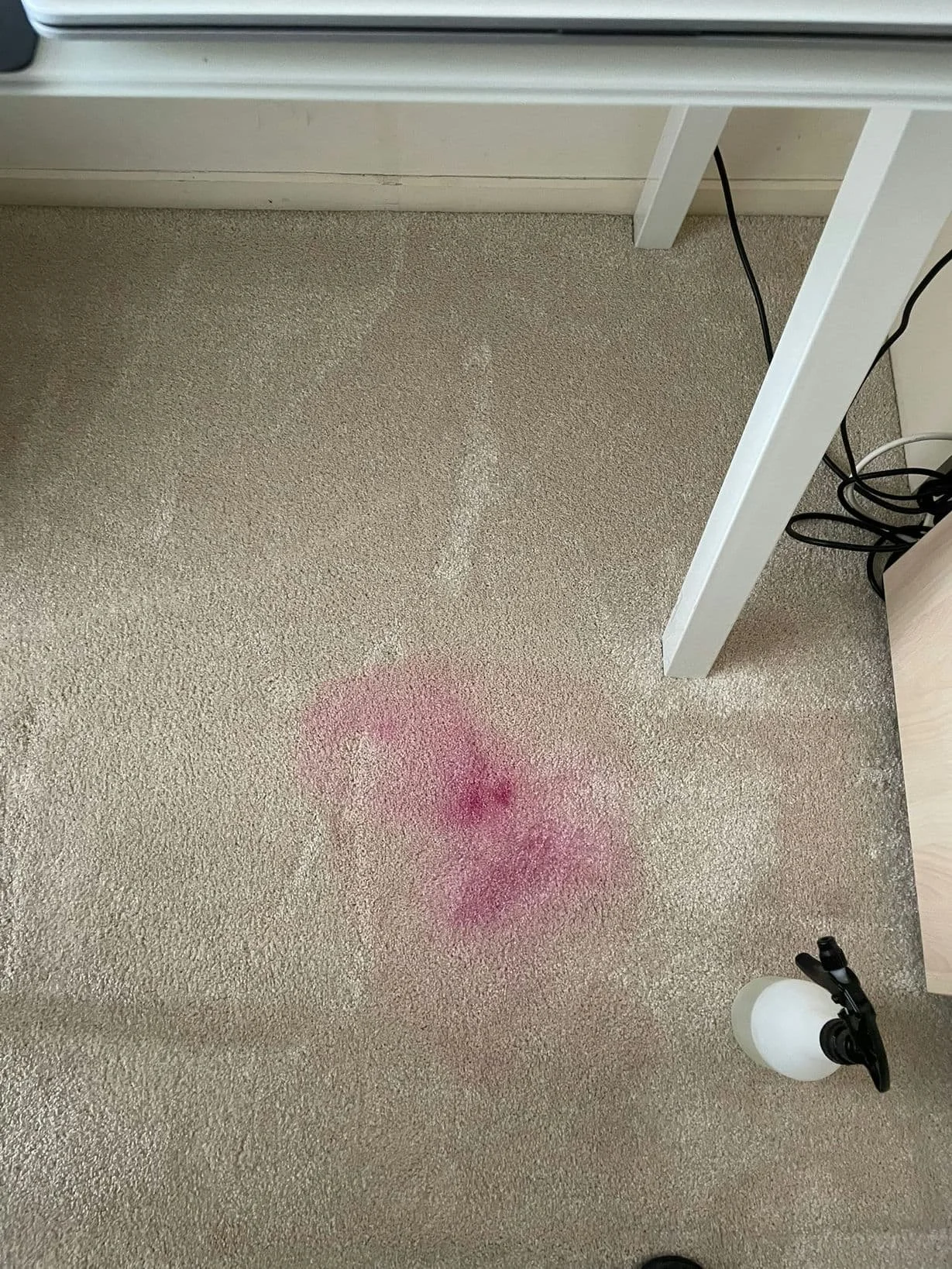
What a 'deep clean' really means — and how it differs
What you're actually paying for, and when you need one.
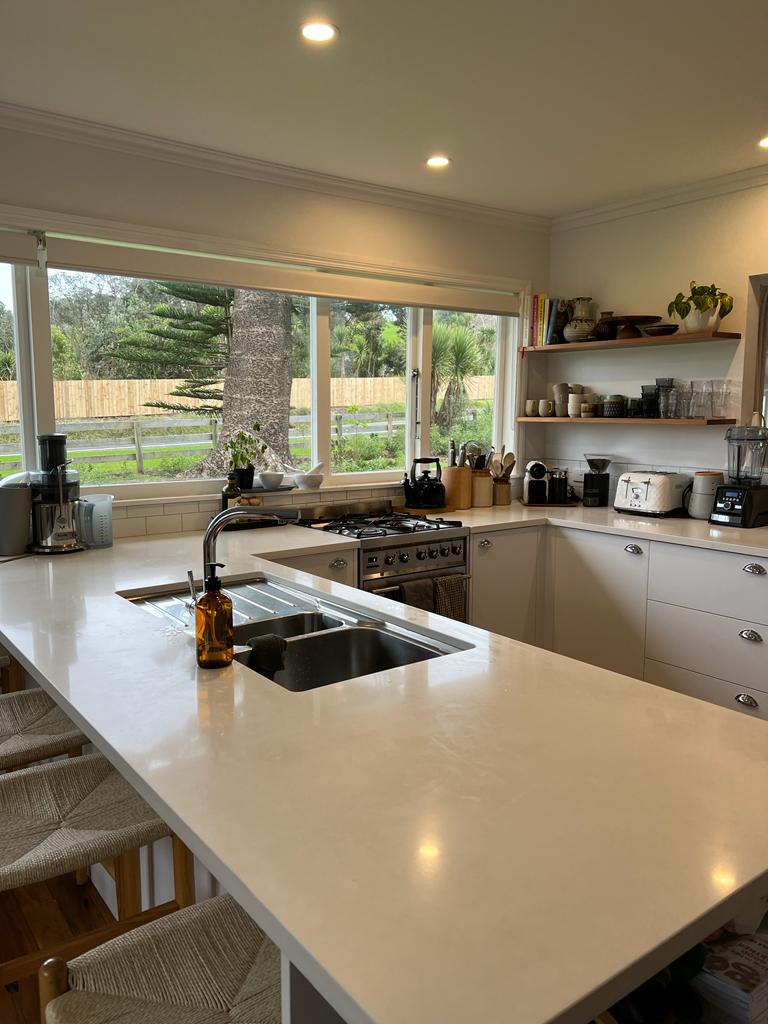
The term "deep clean" gets thrown around a lot. But what does it actually mean? And more importantly — is it worth the extra cost compared to a standard clean?
The Phrase Every Cleaning Company Uses — And Nobody Defines
"Deep clean" has no official standard. Some companies use it to mean a slightly longer regular clean. Others use it to describe a full restorative service that takes a team of three all day.
But here's the thing — if a company can't tell you exactly what makes their deep clean different, you're probably just paying more for the same surface wipe.
A standard clean is about maintenance. It keeps a home looking tidy day-to-day. A deep clean is about detail and buildup. It targets the areas that aren't covered in a weekly routine — the places where grime, dust, and grease accumulate over months or years.
Here is how to tell what you're actually paying for.
What Should Actually Be Included?
A genuine deep clean goes past the eye test. If you're paying deep-clean prices, this is what should be on the checklist.
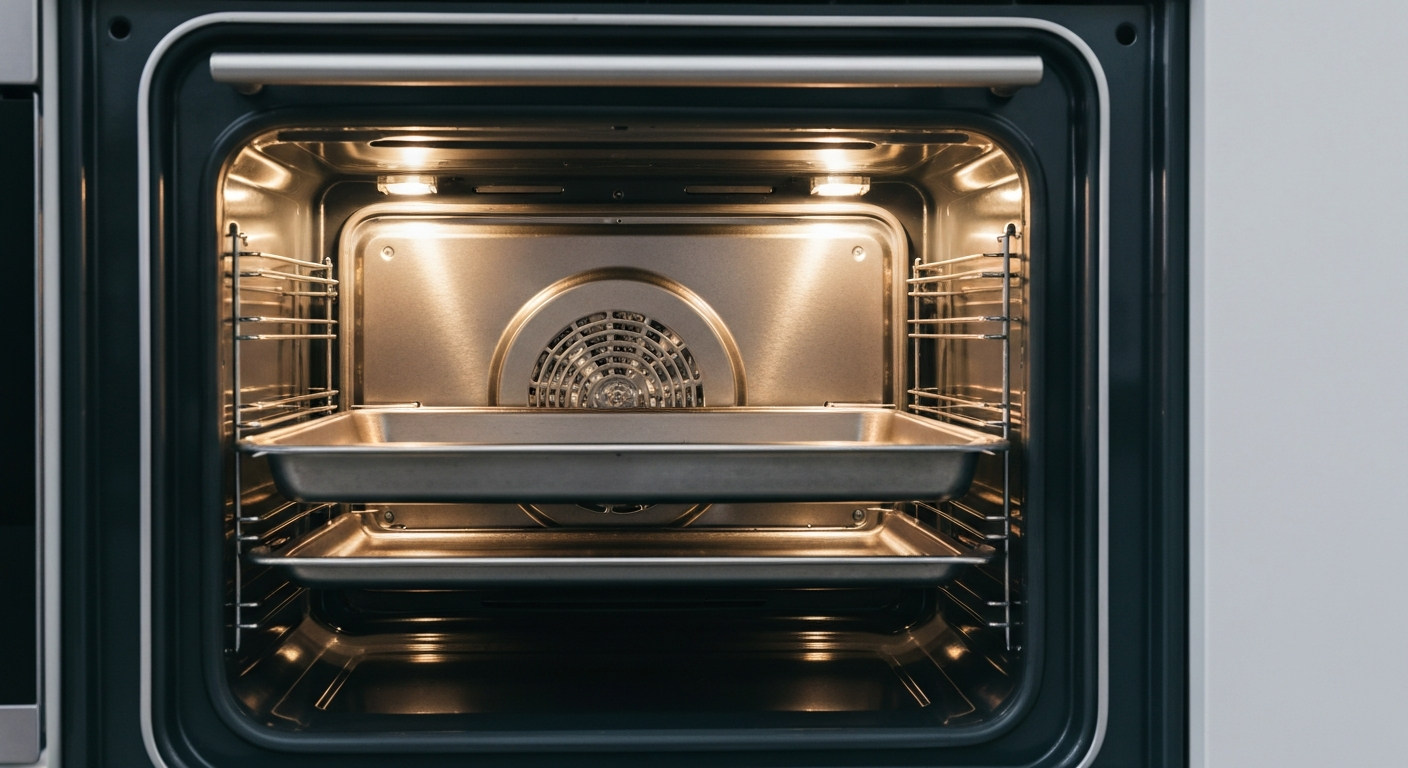
Inside appliances. The oven, the rangehood, the fridge. If these aren't listed, it's not a deep clean — it's just a regular clean that takes slightly longer.
Skirting boards, door frames and switches. Regular cleans usually skip the low and high details. A deep clean removes the dust ledge on every skirting board and the finger marks around every light switch.
Under and behind furniture. A weekly clean vacuums around the sofa. A deep clean moves the sofa, the armchairs, and the side tables to get what's underneath.
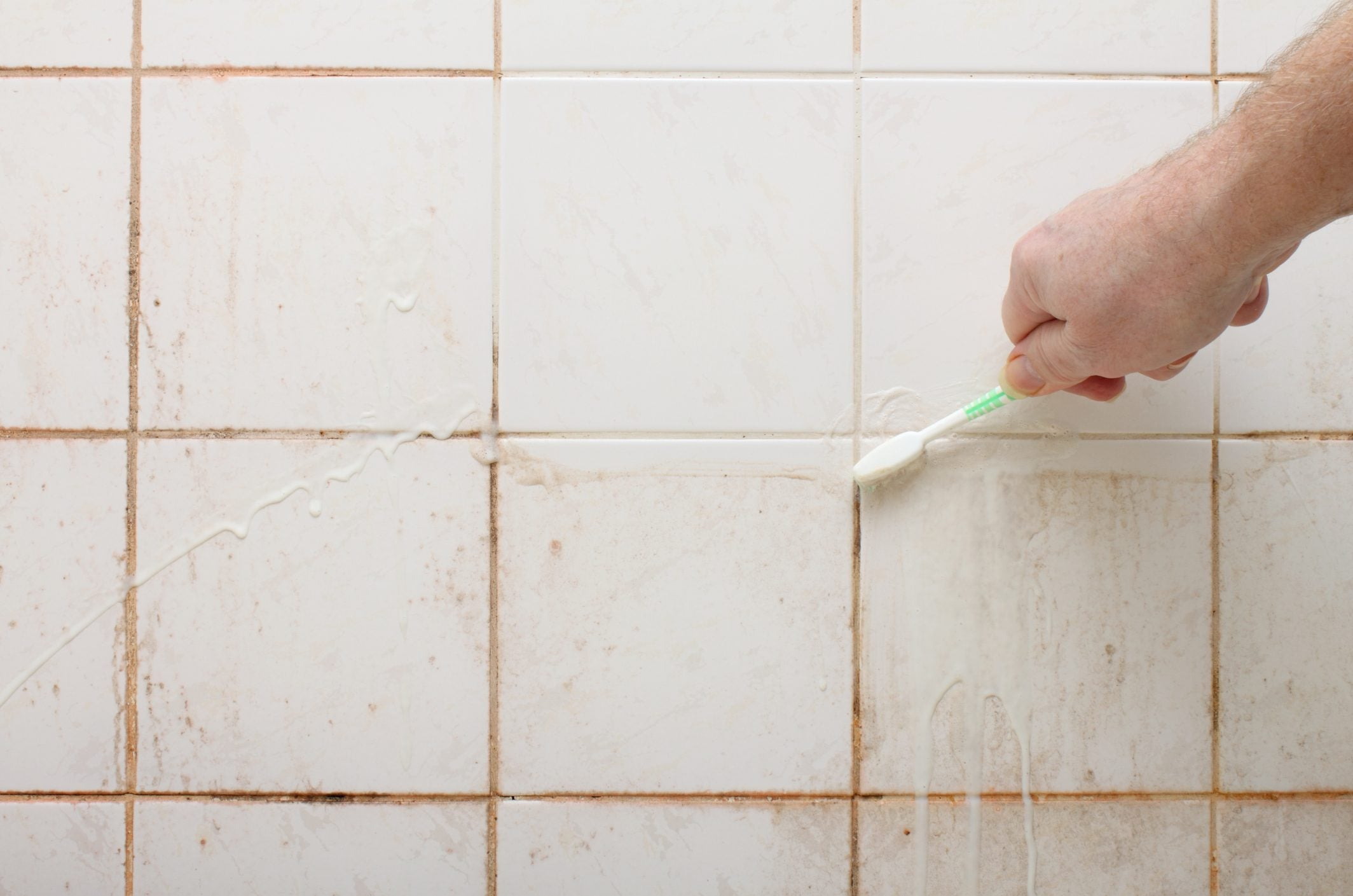
Bathroom descaling and grout. Surface spray won't shift hard water stains or pink mould in the grout. A deep clean requires dedicated descaling products and actual scrubbing power.
Window tracks and sills. A standard clean might wipe the sill. A deep clean vacuums out the dead bugs from the tracks and wipes the interior glass clear.
Light fittings and extractor fans. Dust builds up inside lamp shades and bathroom extractor fans over time. A deep clean takes care of the fixtures above your head, not just the surfaces below.
Do you need a deep clean?
Tick everything that applies to your home and we'll tell you honestly.
Your result will appear here.
How to Compare Quotes Without Getting Burned?
Not all deep cleans are created equal. When you're comparing quotes, ask for the inclusion list in writing.
Watch out for hourly quotes with no defined scope. If a cleaner says they'll "do as much deep cleaning as possible in four hours," you're taking on all the risk. You might get a spotless oven, but half the house untouched.
Ask the questions that separate a genuine deep clean from a padded regular clean. Do you pull out the fridge? Do you clean inside the oven? Do you scrub the grout? If the answer is no, adjust your expectations — or find a different company.
When a Deep Clean Is Actually Worth It?
The honest answer is — you don't need a deep clean every month. But there are times when a surface wipe simply won't cut it.
Moving in or out of a property demands a deep clean. So does the aftermath of renovation dust. Pre-sale cleaning is another non-negotiable — buyers notice the details.
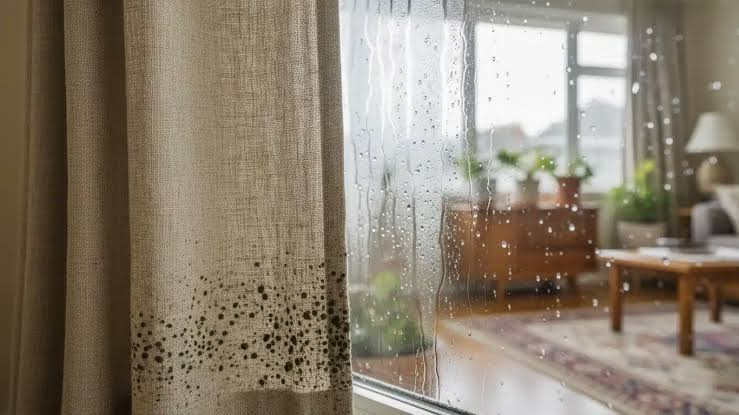
In Auckland, our damp winters mean mould and mildew build up faster. A post-winter deep clean is often necessary just to reset older villas and townhouses.
And honestly — sometimes it's just been a while, and that's completely fine. A deep clean gets you back to a baseline that's easy to maintain.
Deep Clean Questions, Answered
How long does a deep clean take?+
It depends on the size and condition of the home. A standard 3-bedroom house usually takes between 4 to 8 hours for a thorough, top-to-bottom deep clean.
How often do I need one?+
Most homes benefit from a deep clean once or twice a year. If you have a regular weekly or fortnightly cleaning service, an annual deep clean is usually enough to tackle the hidden buildup.
Is a deep clean the same as an end-of-tenancy clean?+
They are similar in intensity, but an end-of-tenancy clean focuses heavily on the specific items property managers check for bond returns, like inside all cupboards and drawers.
Do I need to be home?+
No. Most clients let us in or leave a key, and return later to a completely transformed home. It's often easier for our team to work efficiently when the house is empty.
Why does it cost more than a regular clean?+
It requires significantly more time, effort, and specialized products. A regular clean maintains the surface; a deep clean removes months of accumulated grime from the places you don't usually look.
Because 'deep clean' should mean something.
Need a hand with this?
Bali Fresh Cleaning provides professional cleaning across Auckland. Tell us about your space and we'll put together a quote.
Request a quote