Keeping a shop floor presentable without disrupting trade
Before and after-hours retail cleaning that customers notice.

In retail, presentation is everything. A customer might not consciously notice a spotless floor, but they will absolutely notice a dirty one — and it directly impacts their perception of your brand.
Find your ideal cleaning window
Three quick questions to work out when cleaners should come — without a customer ever seeing a mop.
What are your trading hours?
Your Customers Notice Before You Do
You walk past the same scuffed entrance every day until you stop seeing it. Customers see it once and form their whole impression.
When you're running a store, you're looking at sales figures, stock levels, and staff rosters. You aren't looking at the dust gathering on the top shelf or the smudges on the glass door. But here's the thing — retail cleanliness is marketing you either do or don't do. A clean store tells customers your products are worth the price tag. A dirty one tells them to keep walking.
The Zones That Actually Get Judged
Not all dirt is created equal. Some areas matter more because they're where your customers actually spend their time.
- The entrance and first three metres: Glass doors, entry mats, and window smears at eye level. This is the transition zone where buyers decide if they want to stay.
- The floor path customers walk: Scuffs and trolley marks on the main runway. If the main thoroughfare looks battered, the whole store feels tired.
- Fitting rooms: Mirrors, floors, and that one chair. Customers are barefoot and staring at their reflection — dust bunnies in the corners will immediately make them uncomfortable.
- The counter zone: Where every customer stands and stares while paying. They have nothing else to do but notice the grime around the EFTPOS terminal.
- Toilets if you have them: Retail toilets are reviewed more harshly than restaurant ones. If they aren't spotless, customers assume the worst about your back-of-house.
- Dust lines on shelving: Product moves, dust stays. When stock sells and leaves a clean square surrounded by grey, it makes your inventory look old.
Cleaning Around Trading Hours
The honest answer is — the best time to clean a retail space is when there are no customers in it. Vacuuming or mopping while people are browsing is disruptive and looks incredibly unprofessional.
You have to draw a hard line between what can safely happen during trade and what can't. Spot-wiping glass, clearing the counter, and picking up dropped items? Do it all day. Machine scrubbing, hot water extraction, and proper mopping? That happens before open or after close.
The wet-floor liability point is one every retailer should take seriously. A slipped customer is a disaster you don't need. Keep the heavy cleaning to the quiet hours.
The Auckland Retail Reality
Auckland brings its own set of retail challenges. Winter foot traffic drags in water and grit from the street, turning hard floors into a slip hazard and carpets into a muddy mess.
If you're in a mall, you're bound by strict rules on when cleaners can access the building. If you're in a strip shop in Ponsonby or Parnell, you're often dealing with older fit-outs and tired flooring that needs more frequent, careful attention. The dampness doesn't help — high humidity means floors take longer to dry, making those after-hours windows even more critical.
Retail Cleaning Questions, Answered
How often should a shop floor be professionally cleaned?+
Most busy retail stores need professional cleaning daily or at least three times a week. High-traffic areas degrade quickly, and waiting a week between cleans means your store looks tired for four days out of seven.
Can cleaning happen while we're open?+
Only light touch-ups. Wiping counters and spot-cleaning glass is fine. Mopping, vacuuming, and heavy detailing must happen outside trading hours to protect the customer experience and avoid safety hazards.
What should daily staff cleaning cover vs the professionals?+
Staff should handle immediate presentation: straightening stock, wiping the EFTPOS machine, and picking up obvious rubbish. Professionals handle the deep reset: machine-washing floors, high dusting, and sanitising bathrooms.
How do we handle polished concrete vs carpet tiles?+
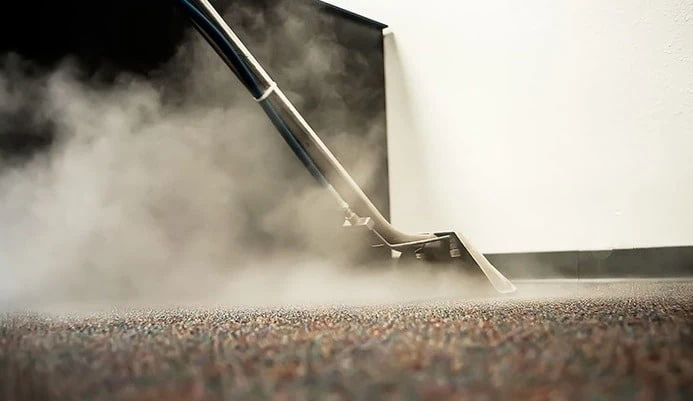
Polished concrete needs regular buffing and immediate spill cleanup to prevent staining. Carpet tiles need daily vacuuming and periodic hot water extraction to pull out the embedded street grit that wears them down.
What does retail cleaning cost compared to office cleaning?+
Retail often costs slightly more per square metre than a standard office. You have higher foot traffic, more glass to detail, and stricter access windows that require before-dawn or late-night shifts.
First impressions walk in the front door.
Need a hand with this?
Bali Fresh Cleaning provides professional cleaning across Auckland. Tell us about your space and we'll put together a quote.
Request a quote