Hot water extraction vs steam cleaning: what's really happening
The terms get confused — here's what your carpet actually gets.
You book a "steam clean" for your carpets. You expect billows of hot vapour to sanitize the fibers. But here's the thing — there is usually very little actual steam involved.
The industry term is "hot water extraction." And while "steam cleaning" became the generic term the way "hoover" did, the machine in almost every professional's van is a hot water extraction unit. Here's the difference, and why it actually matters to your carpet.
Why Everyone Says Steam and Almost Nobody Means It
Decades ago, early cleaning machines used hot water that hit the cooler air and created a visible vapour. It looked like steam. The name stuck.
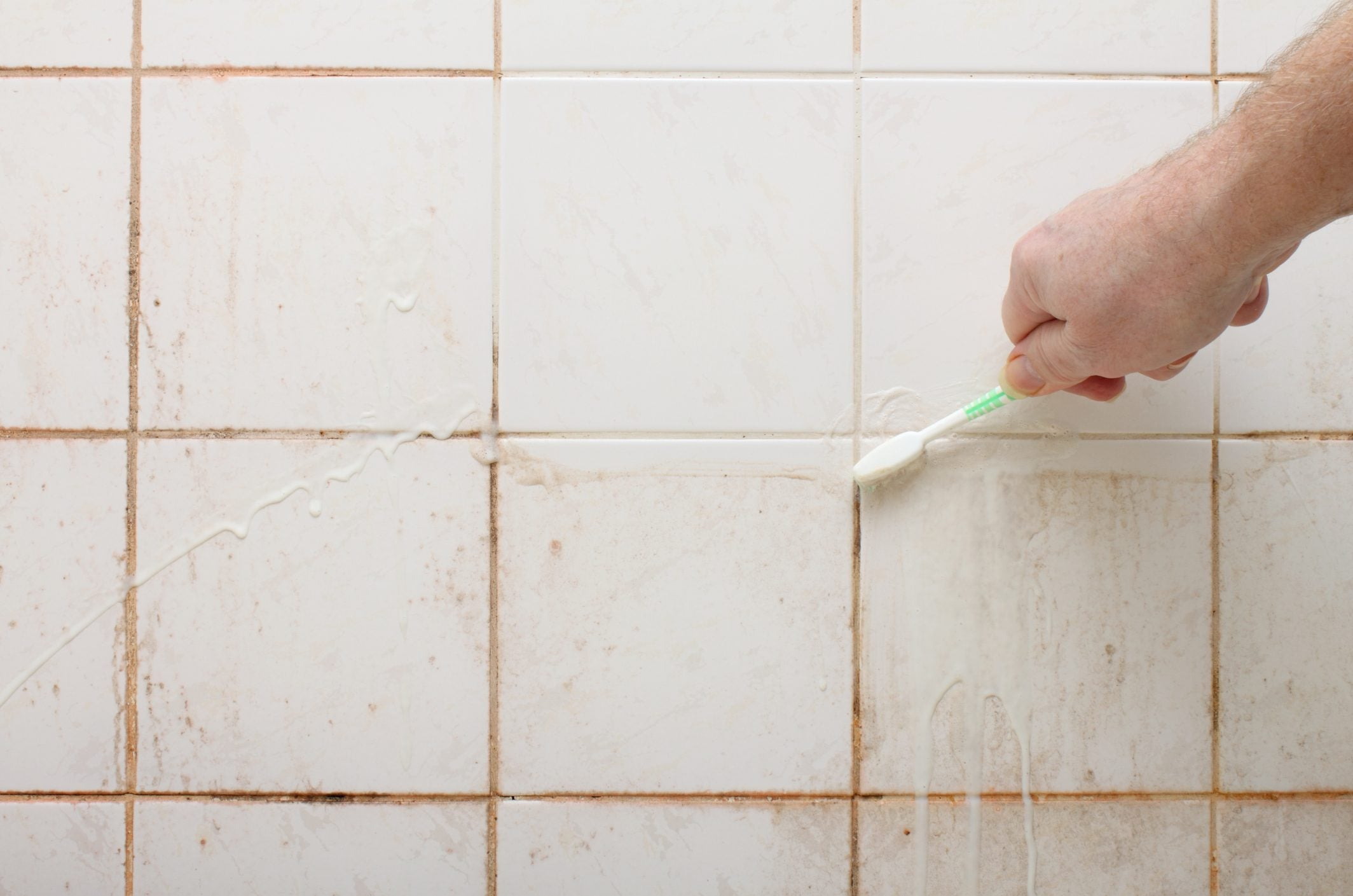
But true steam cleaning uses actual vapour to clean. It's fantastic for hard surfaces like bathroom tiles and grout. On carpet? True steam can actually damage the fibers and set certain protein stains permanently.
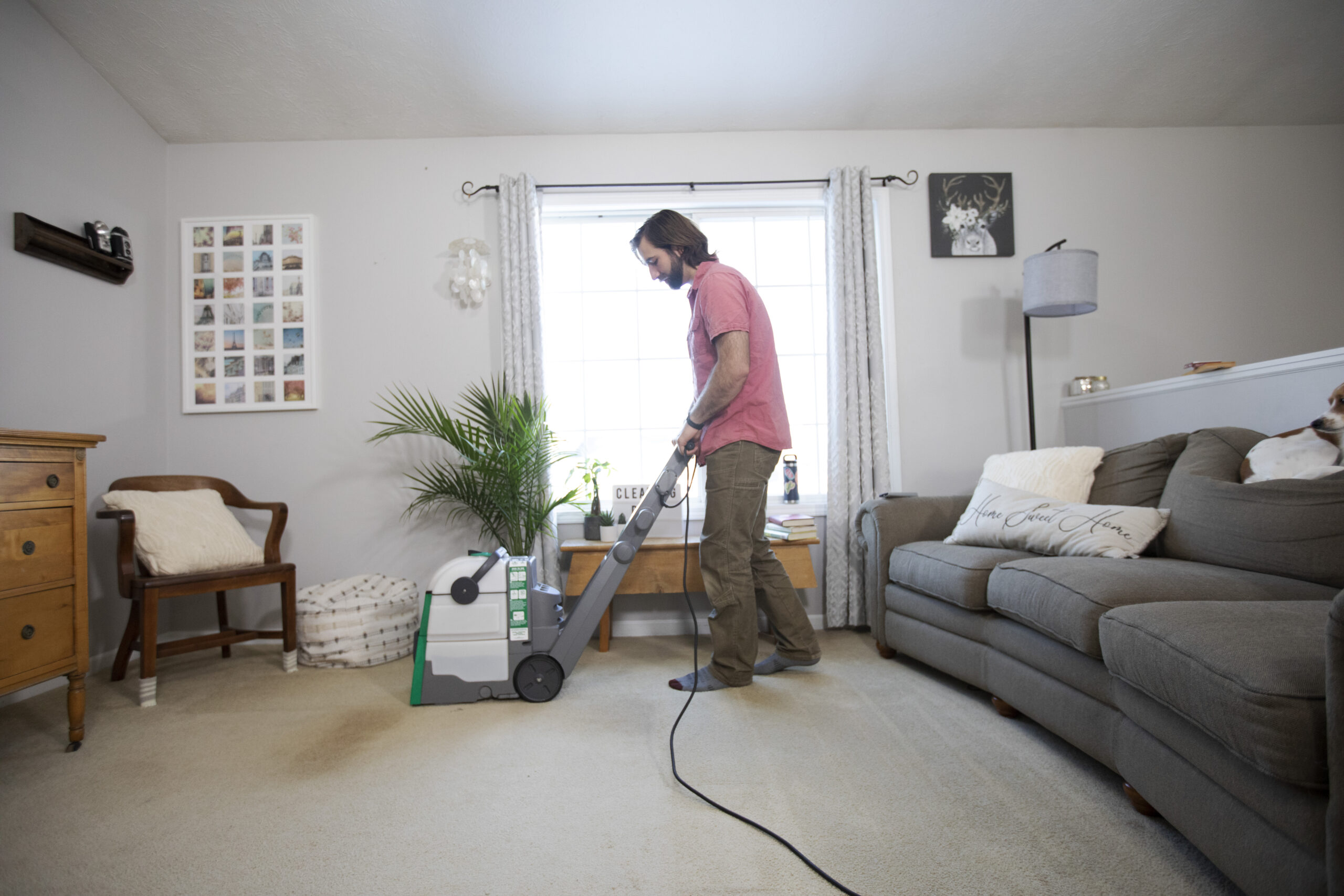
Hot water extraction is different. It injects pressurized heated water and cleaning solution deep into the carpet pile, and almost simultaneously extracts it back out. It flushes the dirt rather than just cooking it. The honest truth is — if a cleaner is actually using true steam on your carpet, you should probably ask them to stop.
What does your carpet actually need?
Three questions to cut through the terminology.
What's the main problem?
What Each Method Actually Does
There are several ways to clean a carpet. Knowing what you're paying for is how you avoid paying for a surface polish when you needed a deep reset.
- Hot water extraction: Heated solution in, dirt and moisture straight back out — the method carpet manufacturers recommend. It reaches the grit buried deep in the pile, far beyond what a regular vacuum can achieve.
- True steam (vapour) cleaning: Very low moisture, high heat. It's great for sanitising, but it has limited soil removal capabilities for deep pile carpets. It doesn't flush the dirt out; it just heats it up.
- Dry compound cleaning: Walk-on-immediately convenience, surface-level results. An absorbent compound is spread over the carpet and vacuumed up. It's mostly used when zero drying time is the absolute priority.
- Bonnet cleaning: The commercial quick-fix that pushes dirt down. A rotary machine with a cleaning pad spins over the surface, making the top look clean while driving soil deeper into the pile.
- Encapsulation: Maintenance method for commercial carpet between extractions. Polymers trap dirt into crystals that are vacuumed away later. Great for low-pile office floors, not for your home.
What This Means for Your Carpet
Which method suits which situation? If you're dealing with end-of-tenancy requirements, pets, allergies, or carpets that haven't been washed in years, hot water extraction is the only real choice. It's a restorative clean.
Low-moisture methods make sense when you need the room back in use immediately, or for interim maintenance in high-traffic commercial spaces.
But here's a disarmingly honest note — the method often matters less than the operator's patience. A rushed hot water extraction leaves carpets soaking wet. A good operator takes the time to do multiple dry passes with the wand, pulling as much moisture out as possible.
The Drying Time Question
This is the number one concern for Aucklanders, especially in July when the humidity is high and nothing seems to dry.
With proper hot water extraction, your carpets should be touch-dry in 2–4 hours with good airflow. In winter damp, it might take a bit longer. But they should never be soaking wet the next day.
A professional cleaner will speed this up. They do thorough dry passes, groom the carpet pile to stand it up for better airflow, and give you practical advice on opening windows or running a heat pump to move the moisture out of the room.
Carpet Cleaning Questions, Answered
Is hot water extraction safe for all carpets?+
Yes, for most synthetic and wool blends. Wool requires lower temperatures and specific pH-balanced chemicals, so always tell your cleaner if you have wool carpets before they start.
Will it shrink my carpet?+
Proper extraction won't. Shrinkage happens when carpets are over-wetted and left sodden, usually because the operator rushed the dry passes or the machine lacked extraction power.
Why is my carpet still damp after 6 hours?+
It could be poor airflow, high Auckland humidity, or the cleaner didn't extract enough water. Turn on a dehumidifier or heat pump. If it's squelchy, call them back.
Does extraction remove pet urine smell?+
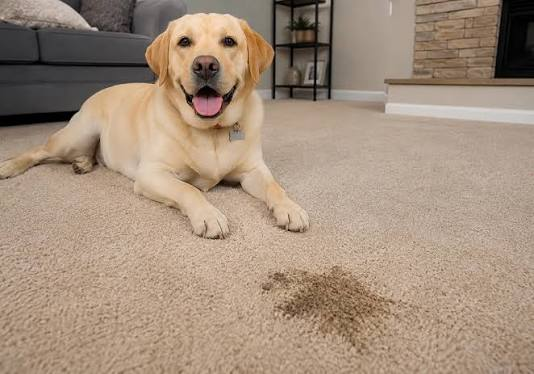
Yes, but only if combined with an enzyme pre-treatment. Hot water extraction flushes the uric crystals out, whereas surface methods just mask the smell until a humid day reactivates it.
Which method do landlords and property managers expect?+
Property managers almost universally expect hot water extraction for end-of-tenancy cleans. It's the only method that provides the deep, restorative clean required to return the property to standard.
Know what's actually hitting your carpet.
Need a hand with this?
Bali Fresh Cleaning provides professional cleaning across Auckland. Tell us about your space and we'll put together a quote.
Request a quote