How to Remove Mould and Musty Smells from Curtains and Blinds
Why curtains in NZ homes grow mould along the bottom edge, which fabrics you can wash at home versus what needs professional care, and how to stop condensation feeding it every winter.
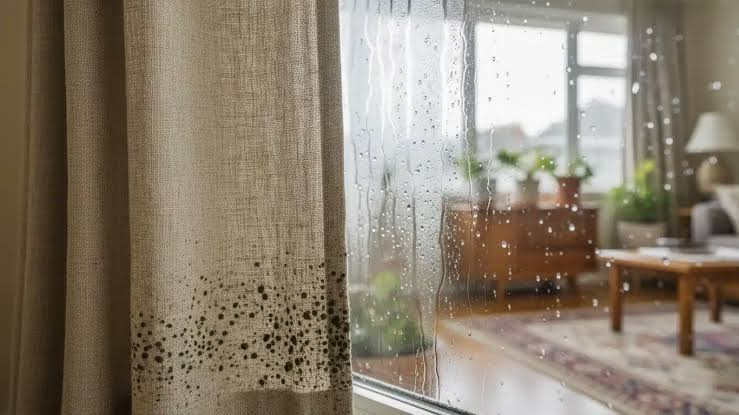
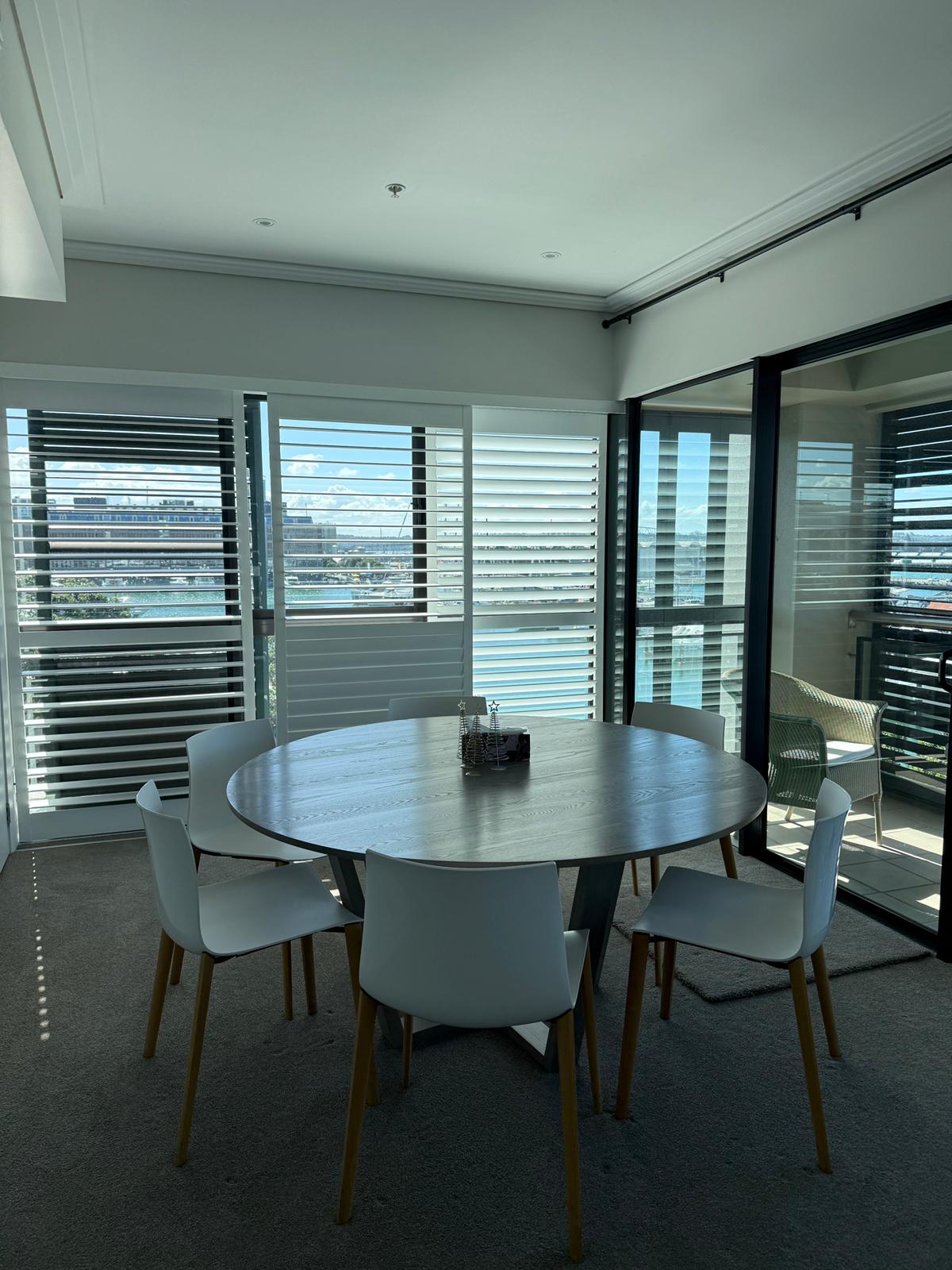
In New Zealand, cold nights and poorly insulated windows create a perfect storm for condensation. That moisture runs down the glass, soaking the bottom edge of curtains and blinds, leading to stubborn black mould.
Why Your Curtains Smell Like Winter
Auckland condensation is relentless. Warm inside air meets cold window glass, water runs down the pane, and it wicks straight into the fabric. Your curtains become the dampest textiles in the house.
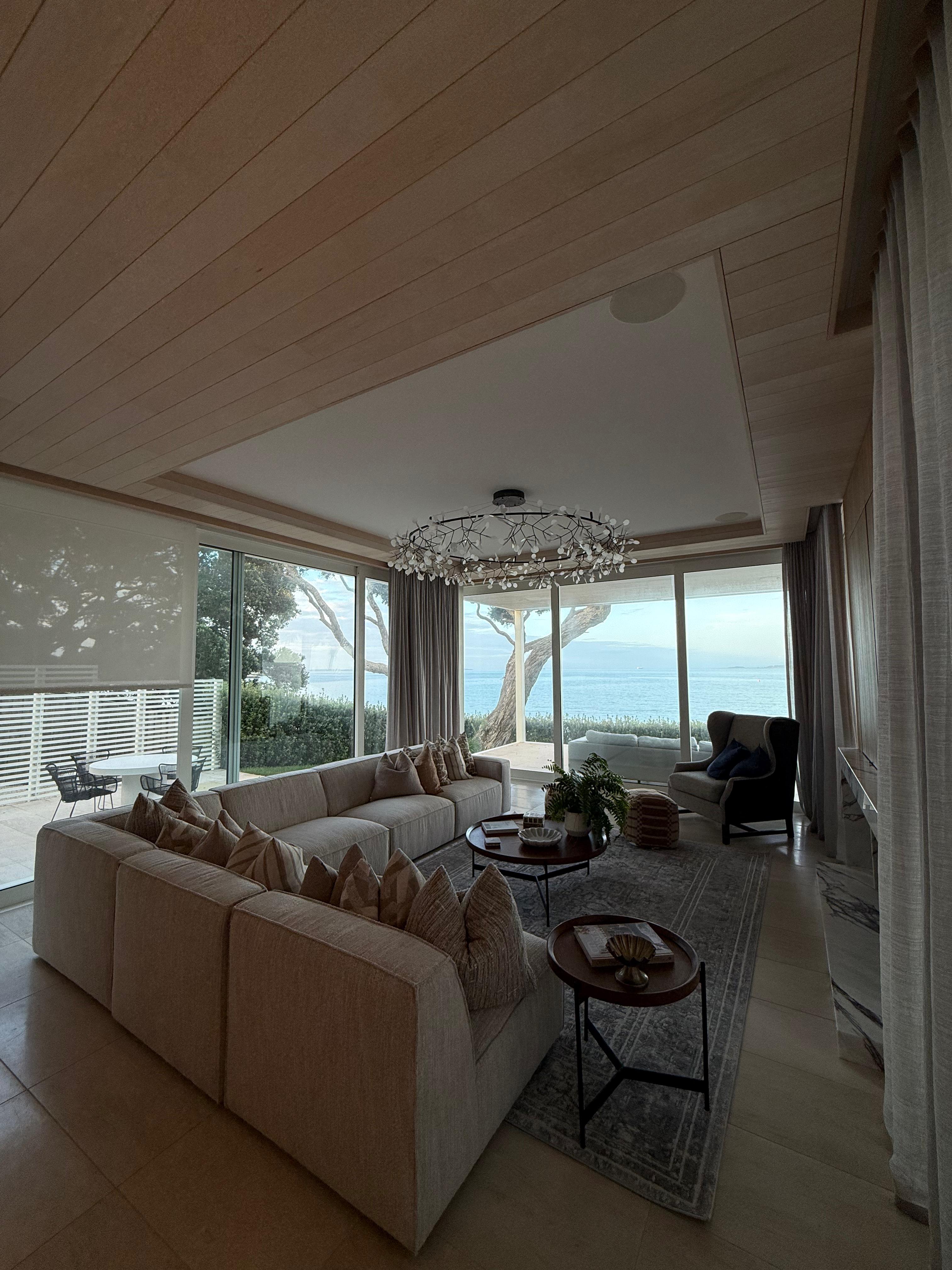
The room looks fine on the surface — but the curtain linings tell the truth. That musty smell isn't just stale air; it's active mould metabolising in the fabric.
Can you wash it at home?
Two questions before you put anything in the machine — the wrong call ruins curtains.
What are you dealing with?
Treating It, Fabric by Fabric
Different materials demand different approaches. Treating a thermal backing like a cotton weave is how you ruin a set of drapes.
- Machine-washable curtains: Always check the label first. Use a cold gentle wash, then dry them in direct sunlight — UV is your free, natural mould killer.
- Lined and thermal curtains: The lining traps moisture, which is why these usually need professional cleaning. Machine washing often delaminates and destroys the thermal backing.
- Net and sheer curtains: Use gentle soak methods in the bathtub. Never wring them out; gently press the water out and rehang them damp so they dry in shape.
- Venetian and timber blinds: Use a damp wipe-down method slat by slat. Never soak timber blinds, as the wood will warp and the finish will peel.
- Roller blinds: Spot treat while they are fully extended. If you roll them up while even slightly damp, they will grow mould inside the roll.
- Vertical fabric blinds: The louvre-by-louvre reality is tedious. Spot treat the bottoms where they touch the sill, and ensure they are bone dry before drawing them back.
Killing the Smell, Not Masking It
Supermarket sprays fail because they just cover the odor. The musty smell is mould metabolising — it's not a scent problem, it's a living organism problem.
A white vinegar treatment kills the spores at the root. Follow it with full, complete drying. But here is the disarmingly honest truth — if the mould has fruited into black spotting on the fabric, the staining may be permanent even when the mould is completely dead.
Stopping It Coming Back
You can clean them perfectly, but without a new airflow habit, it just returns.
Make it a morning habit to wipe condensation off the glass. Keep a small gap between the curtain and the window, and manage moisture in bedrooms overnight. Winter airflow in older Auckland homes is the only real preventative measure that works.
Curtain Mould Questions, Answered
Can mouldy curtains be saved?+
Yes, if caught early. The spores can be killed and the smell removed. However, heavy black staining on light-colored fabrics often leaves a permanent shadow.
Will washing remove the black spots?+
Washing kills the active mould and removes the surface dirt, but the black pigment often dyes the fibers. It's clean, but it might still look speckled.
Can I bleach curtains?+
Never bleach thermal linings or colored fabrics. Even on white cotton, bleach weakens the fibers severely, especially where they've already been degraded by UV light.
How do professionals clean curtains — do they take them away?+
Most professional services take them down, clean them at their facility using specialized dry-cleaning solvents that protect the linings, and rehang them for you a few days later.
Why do only my bedroom curtains go mouldy?+
Bedrooms are closed up overnight with people exhaling moisture into the cool air. That moisture hits the cold window glass and runs straight down into the curtain hem.
Fresh curtains, fresh room — it's that connected.
Need a hand with this?
Bali Fresh Cleaning provides professional cleaning across Auckland. Tell us about your space and we'll put together a quote.
Request a quote